Ritual at the Table
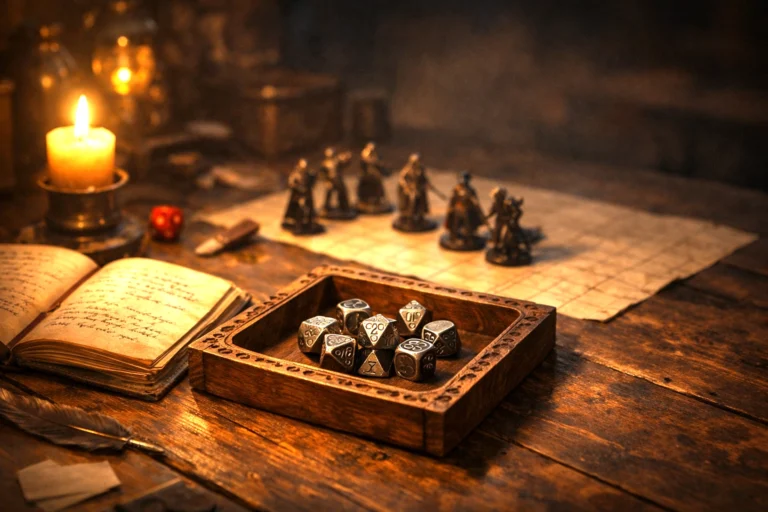
Tabletop RPGs are more than rules and story, they are ritual. In this opening piece for Ritual at the Table, we explore how scent, light, sound, and texture shape immersion in long-form D&D campaigns.

Gather. Laugh. Roll
Gather. Laugh. Roll
Tabletop RPGs are more than rules and story, they are ritual. In this opening piece for Ritual at the Table, we explore how scent, light, sound, and texture shape immersion in long-form D&D campaigns.
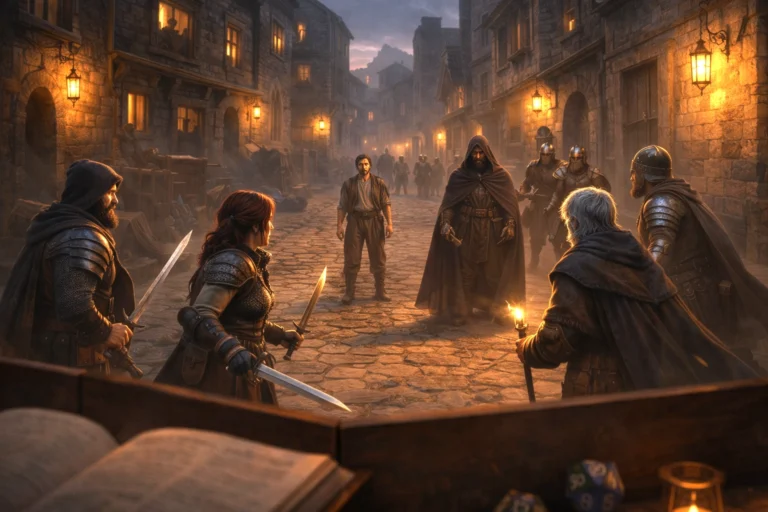
Most encounters fail quietly, not because they’re deadly, but because they don’t matter. In this practical framework, learn how to design D&D combat that drives story, raises stakes, and creates lasting consequences in your campaign.
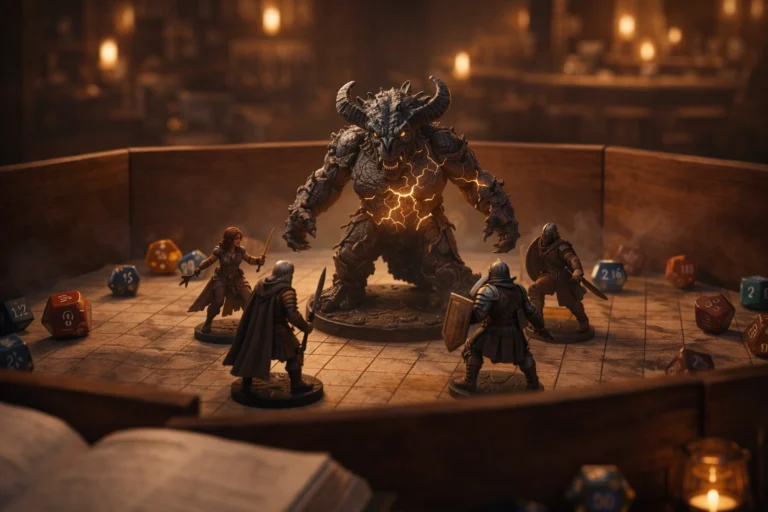
Warm gold, feather-light feel, and reliable early rolls. Sunshard won’t steal the show, but it earns a steady spot in the rotation.
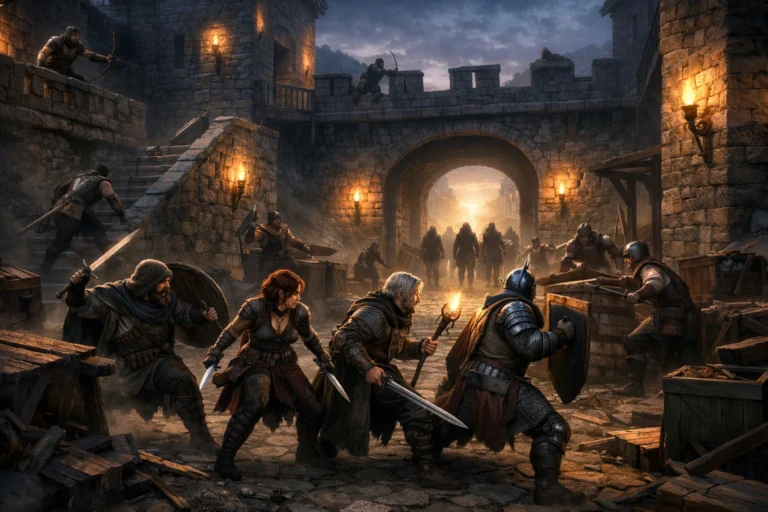
Scaling encounters isn’t about doubling hit points. It’s about controlling pressure. Learn how to increase challenge using action economy, terrain, waves, objectives, and smarter encounter design, without breaking your party.
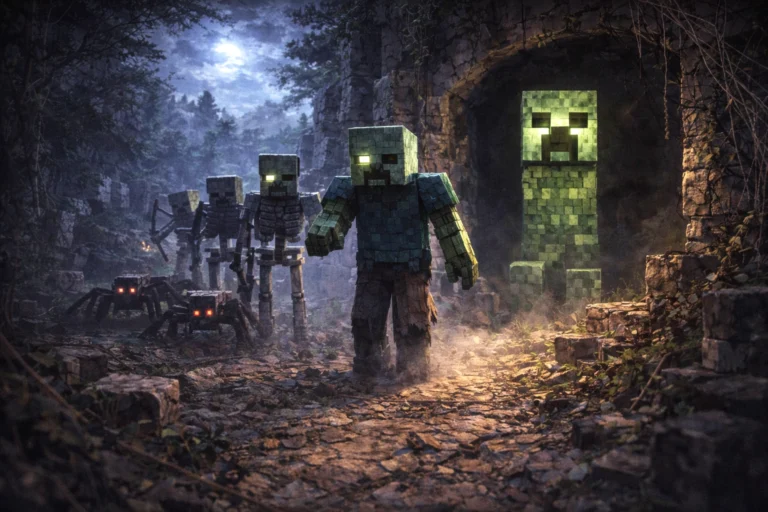
A Minecraft-inspired creature ecosystem built for the D&D table, translating hostile mobs into simple, relentless encounters that punish complacency and reward smart play.
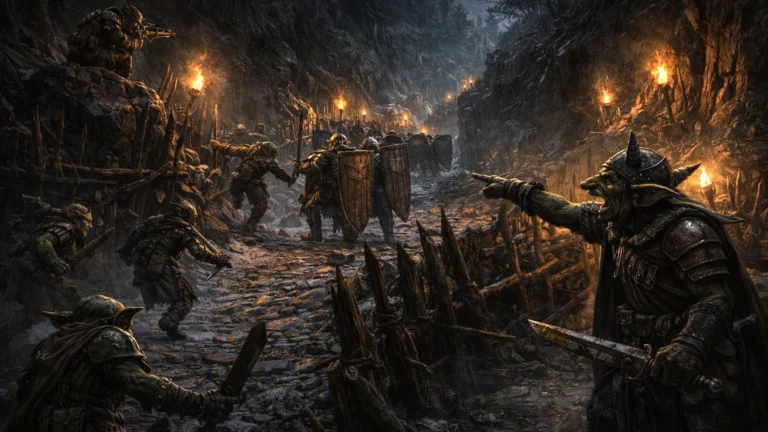
A redesigned goblin package built around roles, tactics, and encounter composition—so goblins stay dangerous long after level one.

Remote play wasn’t optional—it was the cost of keeping the table together. Here’s what I actually use to manage long-form remote D&D sessions, and why restraint matters more than tools.
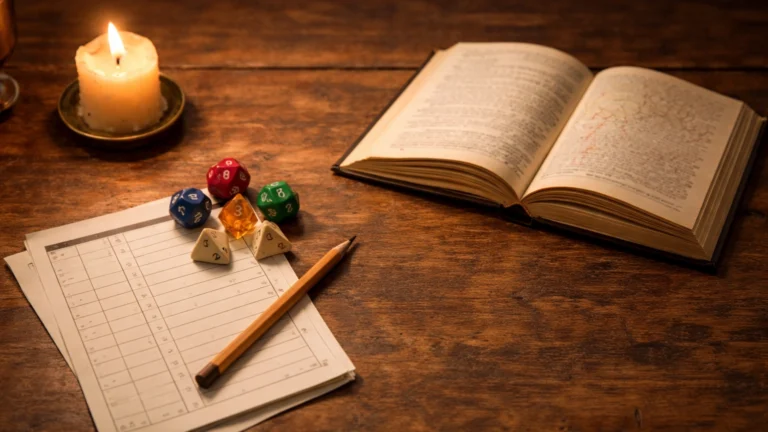
You don’t need every tool to be a great Dungeon Master. This guide shows new DMs what actually helps, what to skip, and how to build a toolkit that supports the table—not overwhelms it.
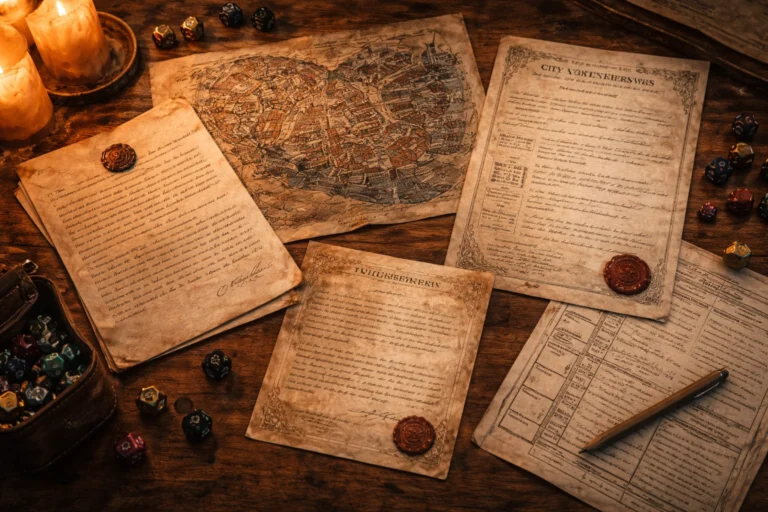
Physical handouts can do more than add flavor—they change how players interact with information. Learn when and why to use letters, forms, maps, and props at the D&D table.