DM Corner • Homebrew • Creature Feature
Creature Feature: Goblins, Reimagined
A Scalable Goblin Package for Voxels & Valor and Beyond
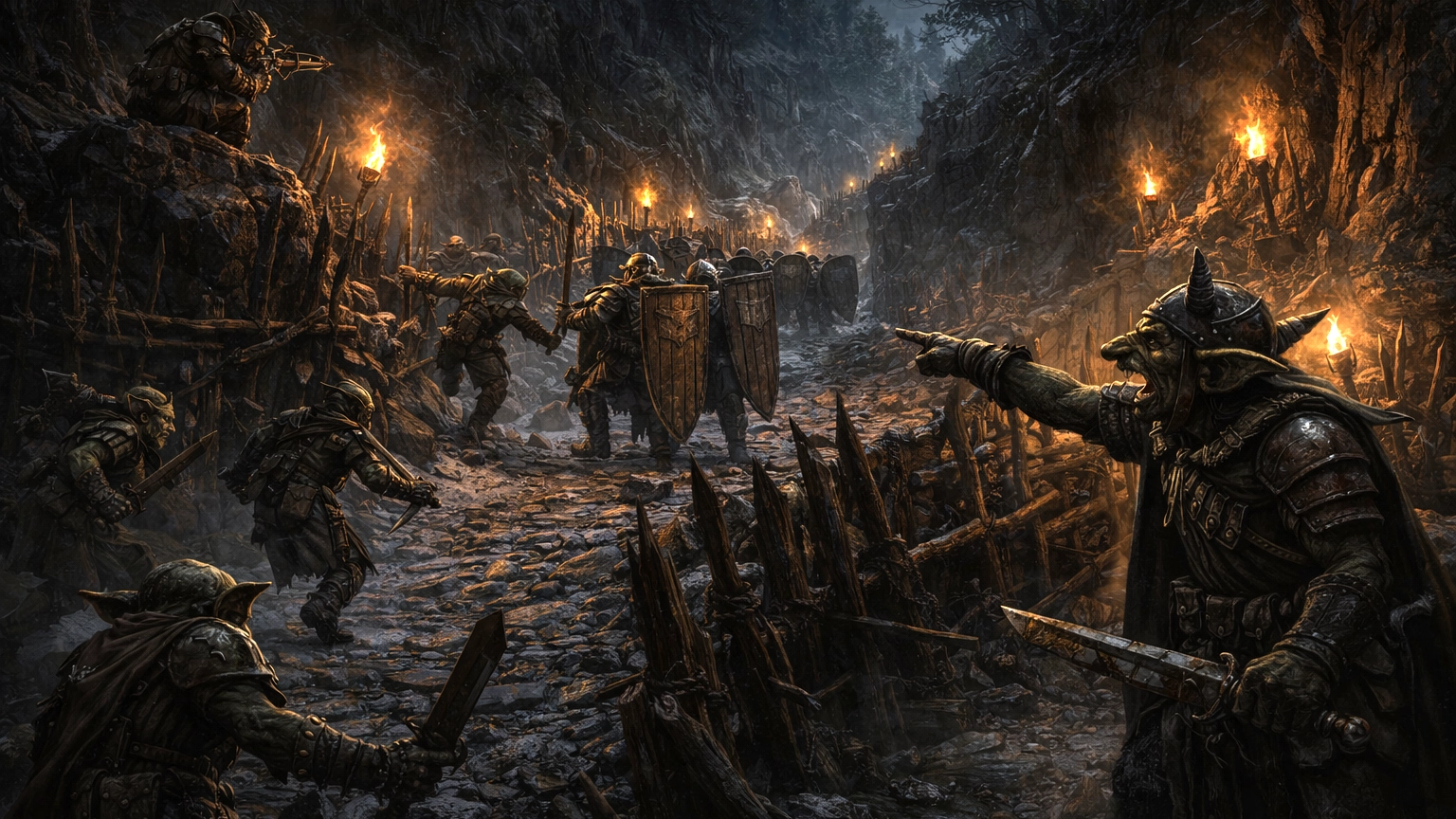
Goblins are everywhere.
They’re often the first enemies a party ever faces—and the first ones most tables stop taking seriously. After a few levels, goblins stop being a threat and start being background noise.
This post exists to fix that.
Rather than stretching a single goblin stat block to cover every situation, this Creature Feature presents seven distinct goblin variants, each built with a specific battlefield role and encounter purpose in mind. Together, they form a flexible goblin force that can scale with the party, support smarter encounter design, and stay relevant well past the early game.
“Goblins don’t stop being dangerous because they’re weak. They stop being dangerous because they’re predictable.”
Design Goals
This goblin package was built around three core principles:
- Role clarity – Every goblin has a job beyond “attack nearest hero.”
- Scalable encounters – Difficulty comes from composition, not stat inflation.
- Longevity – Goblins remain useful from Tier 1 into early Tier 2 play.
You can mix and match these goblins to create ambushes, patrols, defended lairs, or disciplined warbands without rewriting encounters from scratch.
Composition Over CR: These goblins aren’t meant to be scaled by hit points or damage numbers. Difficulty comes from which goblins appear together and how they support each other.
Core Goblin Ranks (Standard Fantasy Play)
These seven goblins represent a functioning goblin force. From raw recruits to hardened commanders. They are the heart of this Creature Feature.
Goblin Recruit
Disposable front line
What it does: Recruits flood space, trigger reactions, and die loudly enough to buy time for more dangerous allies.
Use them when: You want chaos, numbers, and early pressure without overwhelming damage.
Goblin Recruits are fresh from training, poorly equipped, and eager to prove themselves. They exist to clog movement, trigger reactions, and die loudly enough to buy time for more dangerous allies.
👉 View Goblin Recruit (PDF): Goblin Recruit
Goblin Sentry
Eyes and ears
What it does: Spots intruders, raises alarms, and escalates encounters dynamically.
Use them When: You want stealth to matter, and failure to have consequences
Sentries are not meant to win fights. They exist to spot intruders, raise alarms, and ensure the goblins fight on their own terms.
👉 View Goblin Sentry (PDF): Goblin Sentry
Goblin Guard
Defensive anchor
What it does: Chokepoint control, holding ground
Use them When: You need goblins who don’t immediately collapse
Goblin Guards are disciplined and stubborn, trained to hold doorways, tunnels, and key positions while others maneuver.
👉 View Goblin Guard (PDF): Goblin Guard
“The moment goblins hold a doorway; players realize this fight is different.”
Goblin Swordsman
Aggressive melee threat
What it does: Frontline damage, pressure fighter
Use them When: You want goblins who actively push the fight
Swordsmen are trained for close combat and favor decisive aggression. They’re meant to force movement, punish hesitation, and capitalize on numbers.
👉 View Goblin Swordsman (PDF): Goblin Swordsman
Goblin Sharpshooter
Ranged pressure
What it does: Backline damage, positional punishment
Use them When: You want the party to respect cover and spacing
Sharpshooters thrive when ignored. They punish exposed targets and reward goblin preparation and terrain control.
👉 View Goblin Sharpshooter (PDF): Goblin Sharpshooter
Goblin Leader
Tactical coordinator
What it does: Command, battlefield control
Use them When: You want goblins to fight intelligently
Leaders adapt to the battle as it unfolds. Their presence changes target priority and encounter flow immediately.
👉 View Goblin Leader (PDF): Goblin Leader
Goblin Captain
Veteran commander
What it does: Elite threat, force multiplier
Use them When: Goblins are no longer a joke
Captains are survivors—experienced, disciplined, and dangerous. They turn a mob into a military problem.
👉 View Goblin Captain (PDF): Goblin Captain
Sidebar: Running Goblins Like Soldiers
Goblins aren’t brave. They’re organized.
The biggest mistake DMs make with goblins isn’t underpowering them—it’s running them like orcs. Goblins survive because they fight unfairly, communicate constantly, and retreat the moment the battle turns.
Key principles to remember:
- Fight in layers, not lines. Recruits and Swordsmen fix the party in place. Guards hold ground. Sharpshooters fire from safety. Leaders and Captains stay mobile.
- Sound is a weapon. Alarms, horns, and shouted warnings should change the encounter dynamically.
- Targets are chosen. Goblins focus isolated characters, lightly armored casters, and anyone who drops a leader.
- Retreat is tactical. Goblins disengage, regroup, and return smarter.
- Leadership matters. Killing leaders should visibly break coordination and morale.
Run goblins like professionals, and the party will stop treating them like tutorial enemies.
“Not everything has to scale. Sometimes it just has to be fun.”
Table Use: You don’t need all seven goblins in a single encounter. Most fights work best with three roles—pressure, control, and support.
Using the Package
You don’t need all seven core goblins at once.
A few examples:
- Roadside ambush: Recruits + Sentry
- Defended den: Guards + Sharpshooter + Leader
- Serious threat: Captain with mixed support
The strength of this package isn’t any single stat block—it’s how they combine.
“Goblins don’t need more hit points. They need intent.”
Closing Thoughts
Goblins don’t need more hit points.
They need intent.
This Creature Feature turns goblins from a speed bump into a living faction—one that can adapt, survive, and remain relevant long after the party stops underestimating them.
Next time, we’ll push this approach further up the food chain.
Explore the Creature Feature Series
This goblin package is part of the ongoing Creature Feature series. A growing collection of redesigned, table-ready creatures built around role clarity, encounter composition, and real play needs.
You can find the full index, along with all published and upcoming creatures, on the Creature Feature Index Page.