Forgotten Realms: Heroes of Faerûn Review
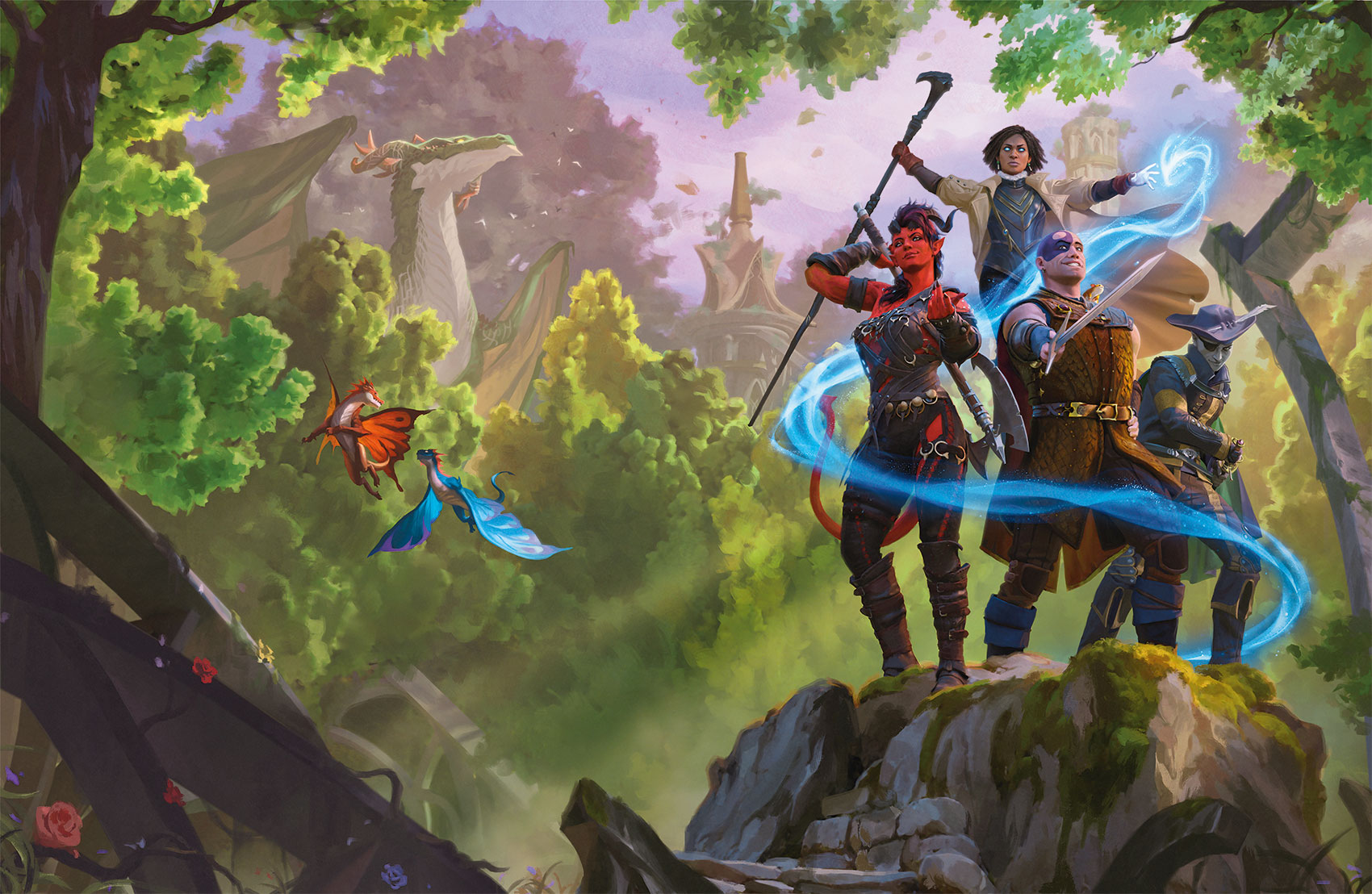
Where Lore and Players Finally Meet
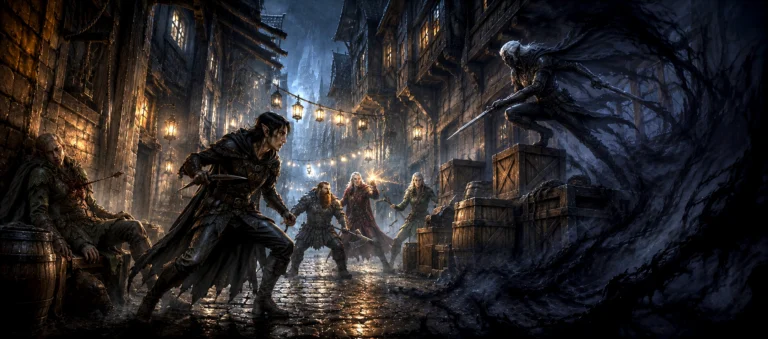
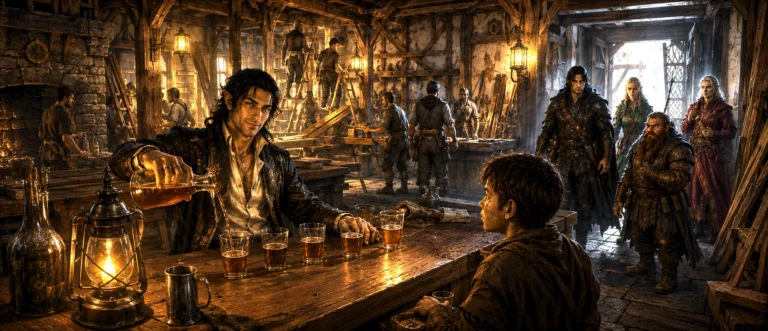
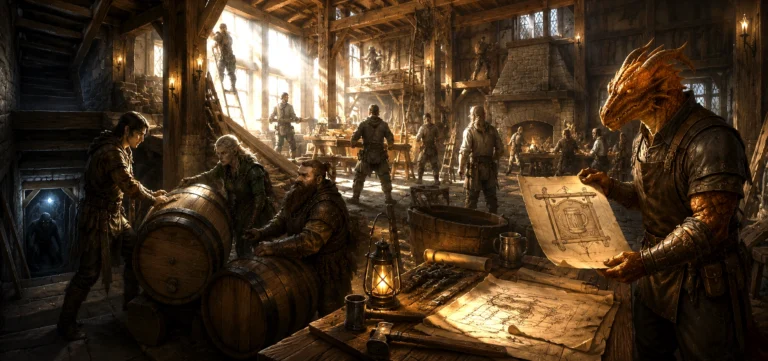
Every Dungeon Master knows the tension between world and player: the struggle to make Faerûn feel alive without burying the table in exposition. Forgotten Realms: Heroes of Faerûn finally offers a solution. This isn’t just another compendium of subclasses and feats — it’s a bridge between storytelling and character creation, a book that invites players to join the worldbuilding dance.
While Adventures in Faerûn handed DMs the quill to rewrite the Realms, Heroes puts that same pen into the hands of your players. Together, the two books form a complete vision — a collaborative model for how D&D’s next era wants its stories to be told.
A Different Kind of Player Book
When I first opened Heroes of Faerûn, I expected a buffet of player options and little else. What I found instead was something much more intentional — a book built on the principle that culture and context matter.
The 2024 Player’s Handbook stripped D&D down to its bones, leaving many of us wondering where the soul went. Here, in Heroes, that soul comes roaring back.
“This isn’t a splatbook — it’s a mirror held up to the world.”
Species, backgrounds, and feats aren’t generic checkboxes; they’re choices rooted in history. The elves of the Realms are not just “elves” — they’re moonlit wanderers, sunlit scholars, and forest guardians whose magic hums with lineage. Tieflings still carry the burden of infernal ancestry, but now that story ties to Elturel’s fall. The details finally feel connected, not bolted on.
For DMs, this means every player decision is a hook waiting to be pulled — every background a seed for a side quest, every feat a whisper of factional politics.
Player Options That Build Worlds
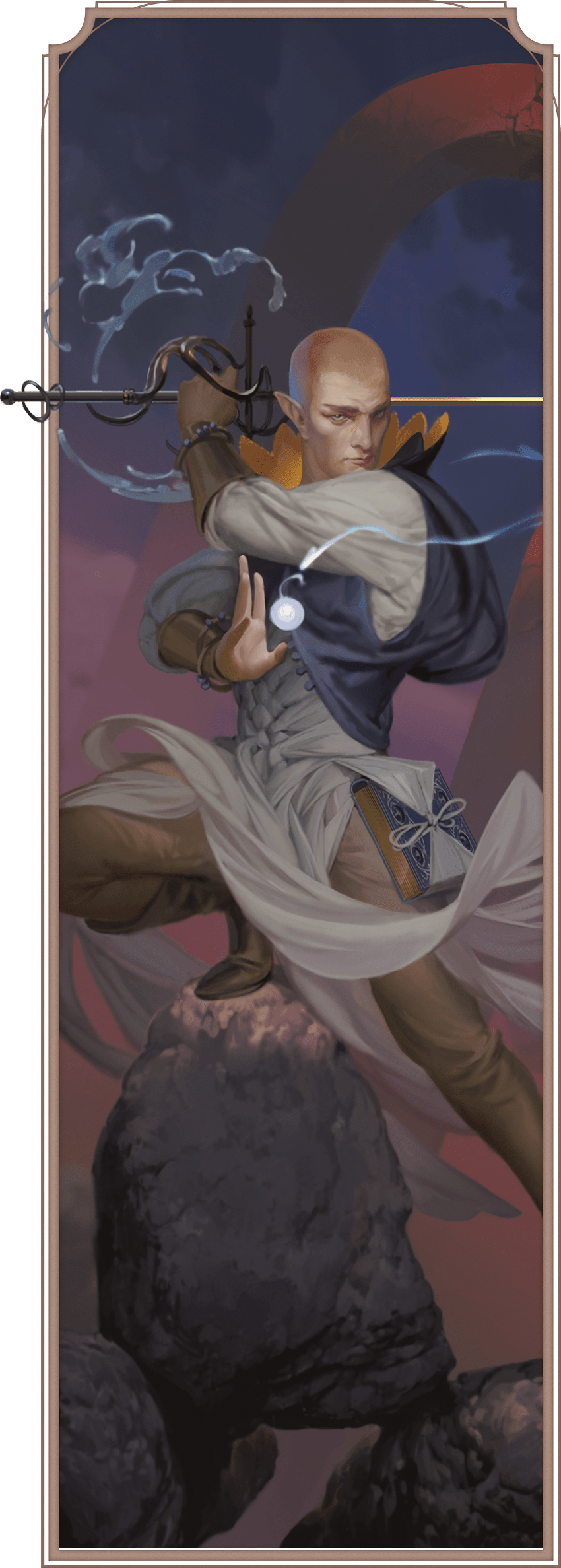
Mechanically, this book is brimming with content. Eight subclasses, sixteen backgrounds, thirty-four feats, nineteen spells, and the introduction of Circle Casting. But what’s striking is not the amount — it’s the intent.
Each piece feels like a response to a gap that DMs have long been filling with homebrew.
- Backgrounds like Flaming Fist Mercenary and Harper Agent immediately root players in your campaign’s social web.
- Feats like Zhentarim Ruffian and Cold Caster turn mechanical choices into narrative flavor.
- Circle Casting, the book’s most experimental feature, formalizes the shared spellcasting rituals that many tables have improvised for years.
“Finally, the mechanics speak the same language as the lore.”
Not every subclass will blow you away — the Banneret remains the quiet cousin at the party — but the book’s broader achievement is how it makes the whole world playable. The design philosophy feels deliberate: let the Player’s Handbook be a neutral framework, and let campaign books like this fill in the flavor.
Lore for Both Sides of the Screen
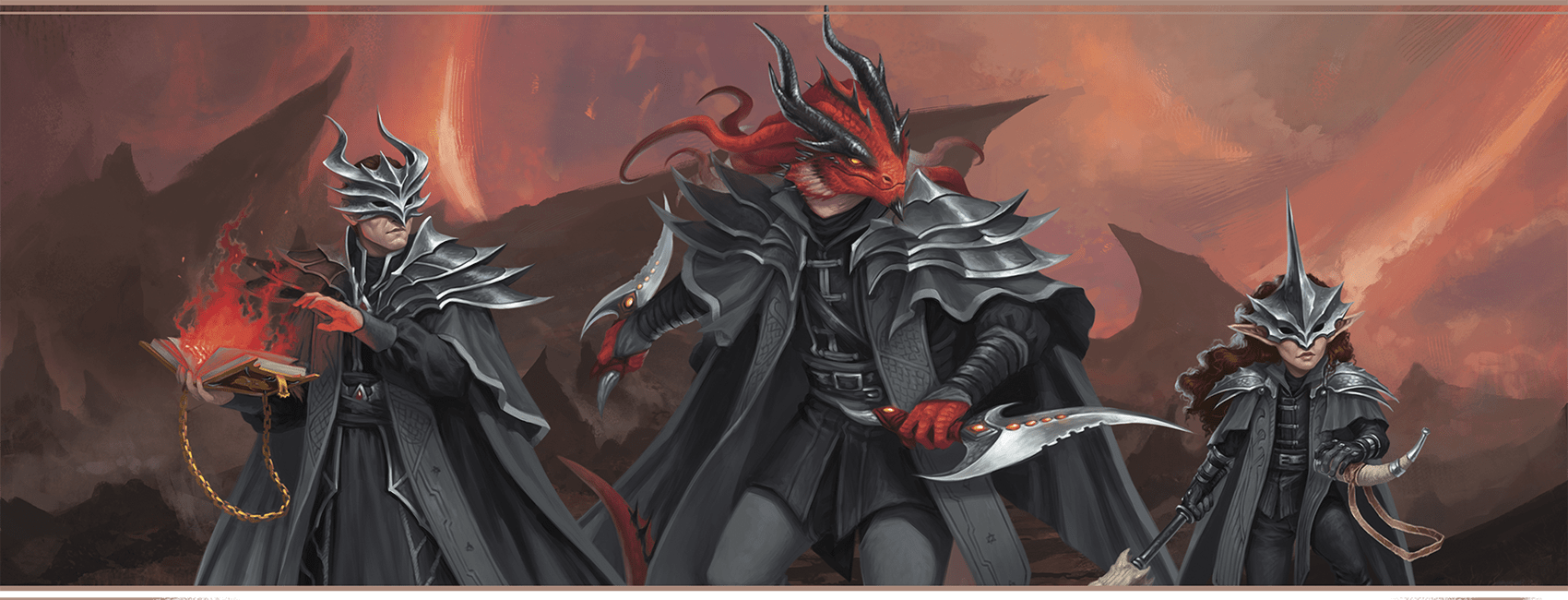
The second half of Heroes of Faerûn reads almost like a condensed Gazetteer of the Realms. It covers deities, factions, and regional culture — the connective tissue that DMs crave and players rarely read. But here’s the surprise: it’s written for both.
As a DM, I can now hand a player a few pages and say, “Start here.” Want to play a cleric of Lathander? The pantheon chapter gives them context. Want to join the Harpers or Zhentarim? The faction overviews outline tone, ideology, and consequences.
It’s the first time in Fifth Edition I’ve seen a book that trusts the player with lore — and that trust makes my job easier. The Realms feel more collaborative, less like a DM’s museum of trivia.
Circle Magic and Shared Storytelling
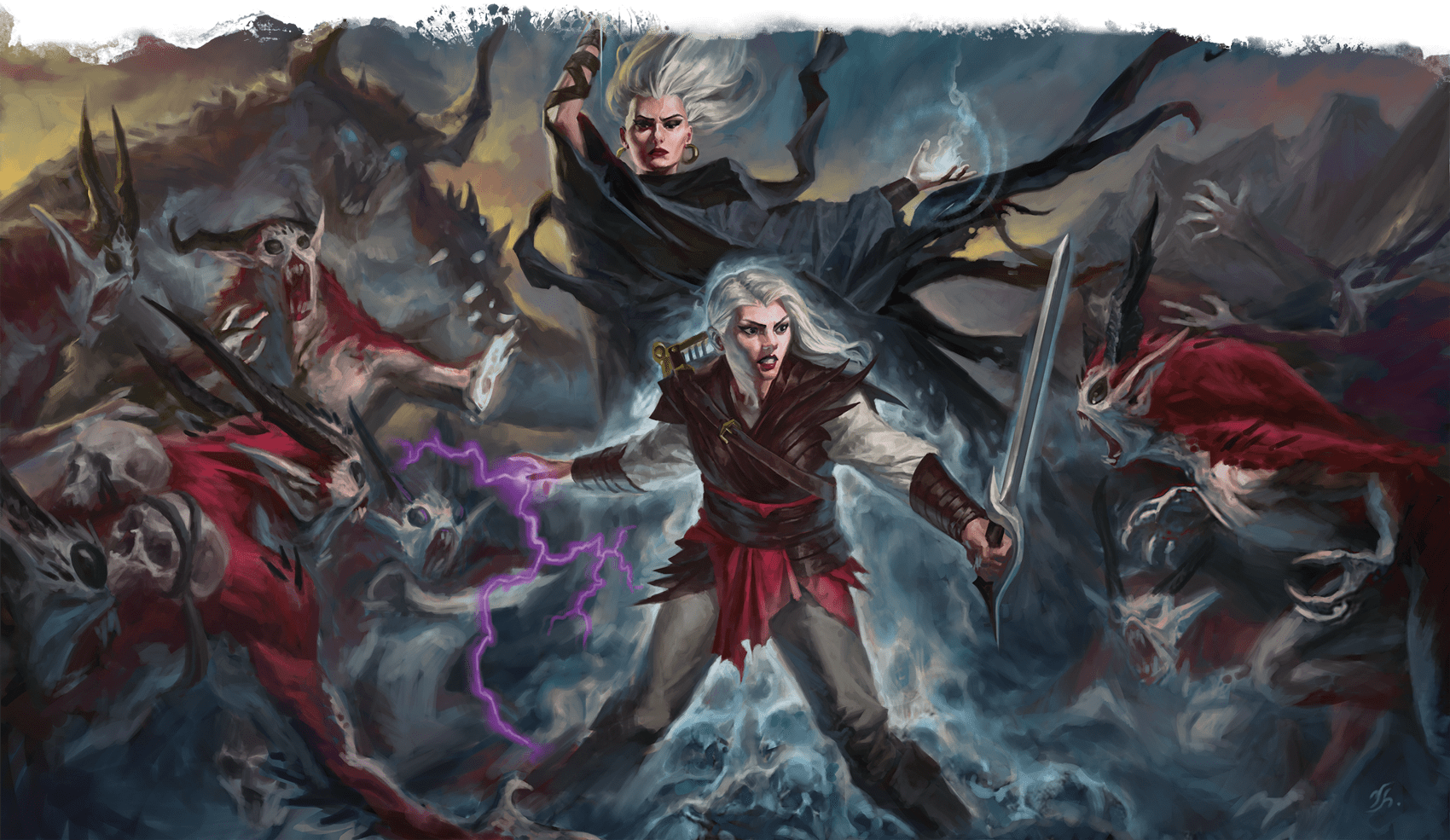
The introduction of Circle Magic deserves attention. Mechanically, it allows multiple spellcasters to combine their efforts into a single, magnified spell — but thematically, it captures something bigger: collective power.
When your group of wizards or druids stand shoulder-to-shoulder, channeling a single surge of spellfire, you’re watching story and system collide. It’s cinematic, risky, and deeply Forgotten Realms in spirit.
“Circle Magic turns cooperation into spectacle — exactly what high fantasy should feel like.”
It’s the kind of feature that rewards tables with strong roleplay dynamics and trusts them to wield that power responsibly. For DMs who love building dramatic moments, this is gold.
The Realms, at Last, Reimagined
As someone who’s been running games in Faerûn since the days of boxed sets and softcover companions, I can say this with certainty: Heroes of Faerûn is the first Fifth Edition book to make the Realms feel like the Realms.
There’s heart here — culture, consequence, and texture. It’s the rare supplement that doesn’t just expand your options, but deepens your world.
For DMs, that’s the payoff we’ve been waiting for. When your players’ backstories already hum with the setting’s heartbeat, your world needs less explaining and more exploring.
Verdict: A Worthy Companion to Adventures in Faerûn
If Adventures in Faerûn was the DM’s toolkit, Heroes is the player’s storybook. Together, they form one of the most coherent, compelling visions of the Forgotten Realms since the 2nd Edition era.
It’s not perfect — a few subclasses underwhelm, and some features may never see heavy table use — but that hardly matters. What Wizards has delivered here is a philosophy, not just a product. The Realms are no longer a static backdrop. They’re a living world we share.
“For the first time in years, the Forgotten Realms feel alive on both sides of the screen.”