Forgotten Realms: Adventures in Faerûn Review
Adventures in Faerûn – Ambition, Inspiration, and the DM’s Balancing Act
The Realms Return
For as long as I’ve been behind a DM screen, the Forgotten Realms have been the heartbeat of Dungeons & Dragons. The first maps I ever unfolded bore names like Icewind Dale, Cormyr, and the Dalelands. Ed Greenwood’s Elminster in Hell sits dog-eared on my shelf. Salvatore’s Drizzt novels shaped my imagination long before I learned what “initiative order” meant.
So when Wizards of the Coast announced Forgotten Realms: Adventures in Faerûn, I felt that same spark from my early days in 3rd Edition – a promise to rediscover the world that made D&D feel infinite. Now that I’ve spent time wandering its pages, I can say the book delivers on that promise… even if it sometimes stumbles under its own ambition.
A World Worth Returning To
Adventures in Faerûn is the most comprehensive look at the Realms we’ve had in over a decade – not just another regional sourcebook, but an attempt to tie the scattered corners of Faerûn into one playable atlas.
The book charts five core regions: the Dalelands, Icewind Dale, Calimshan, the Moonshae Isles, and Baldur’s Gate. Each chapter lays out the geography, politics, threats, and tone of its setting – then caps it off with conflicts, adventure hooks, and maps that practically beg to be pinned to your DM screen.
For a storyteller, this is gold. The Icewind Dale chapter in particular feels like a revelation. It bridges the frigid isolation of Rime of the Frostmaiden into a new era, showing how the region has changed since Ten-Towns thawed from the Frostmaiden’s curse. There are fresh villains, local tensions, and lingering scars from the last campaign.
By contrast, Calimshan and the Moonshae Isles feel lighter – welcome returns, but not nearly as fleshed out. Still, seeing Calimshan get attention for the first time since 2e feels like watching an old friend step back into the light.
Adventures Aplenty
The biggest surprise comes right up front: 51 adventures tucked into a single book. On paper, that sounds like a DM’s dream. In practice, it’s a bit more complicated.
Each adventure runs about a page – a “situation,” a “hook,” a few encounters, and a map, following the format introduced in the 2024 Dungeon Master’s Guide. For quick-draw DMs, that’s a gift. You can pull one at random, glance over the bullet points, and run a short, flavorful side quest on the fly.
But, this buffet approach also exposes its weaknesses. Some adventures are instantly usable. For example, The Curse on Humble Hill feels like a classic Level 1 romp, while others, like Dread March of the Bone Titan, are thrilling ideas that need surgery before they’ll run smoothly at the table. A few even risk total party kill territory if handled straight out of the book.
In short: there’s treasure here, but DMs will need a discerning eye…and a red pen.
The DM’s Dilemma: Epic Destinies and Player Power
Now, about that first chapter.
I found the section on Epic Destinies, the optional rules section for framing each character’s “grand arc,” both ambitious and misguided. The intent is noble: make every player’s story feel as mythic as the Realms themselves. The execution, though, nudges DMs toward railroading rather than collaboration.
The rewards tied to these destinies are often things players would earn naturally through play: feats, items, or narrative milestones. As a result, the mechanic feels redundant, and the advice to “guide” players toward their destiny reads uncomfortably prescriptive. The Realms thrive on organic storytelling; every table’s version of Faerûn should evolve through play, not prophecy.
Lore, Layout, and the Labyrinth of Design
Structurally, Adventures in Faerûn tries to serve two masters, and occasionally trips over both. The heavy focus on one-page adventures takes up real estate that could have deepened regional lore, while its companion volume, Heroes of Faerûn, holds much of what DMs will actually need: deities, factions, and a broader continental overview.
The split makes sense from a marketing standpoint, but less so from behind the DM screen. I’d have preferred a single, unified campaign setting, one volume to rule them all, rather than a lore book and a half-player supplement I now have to juggle.
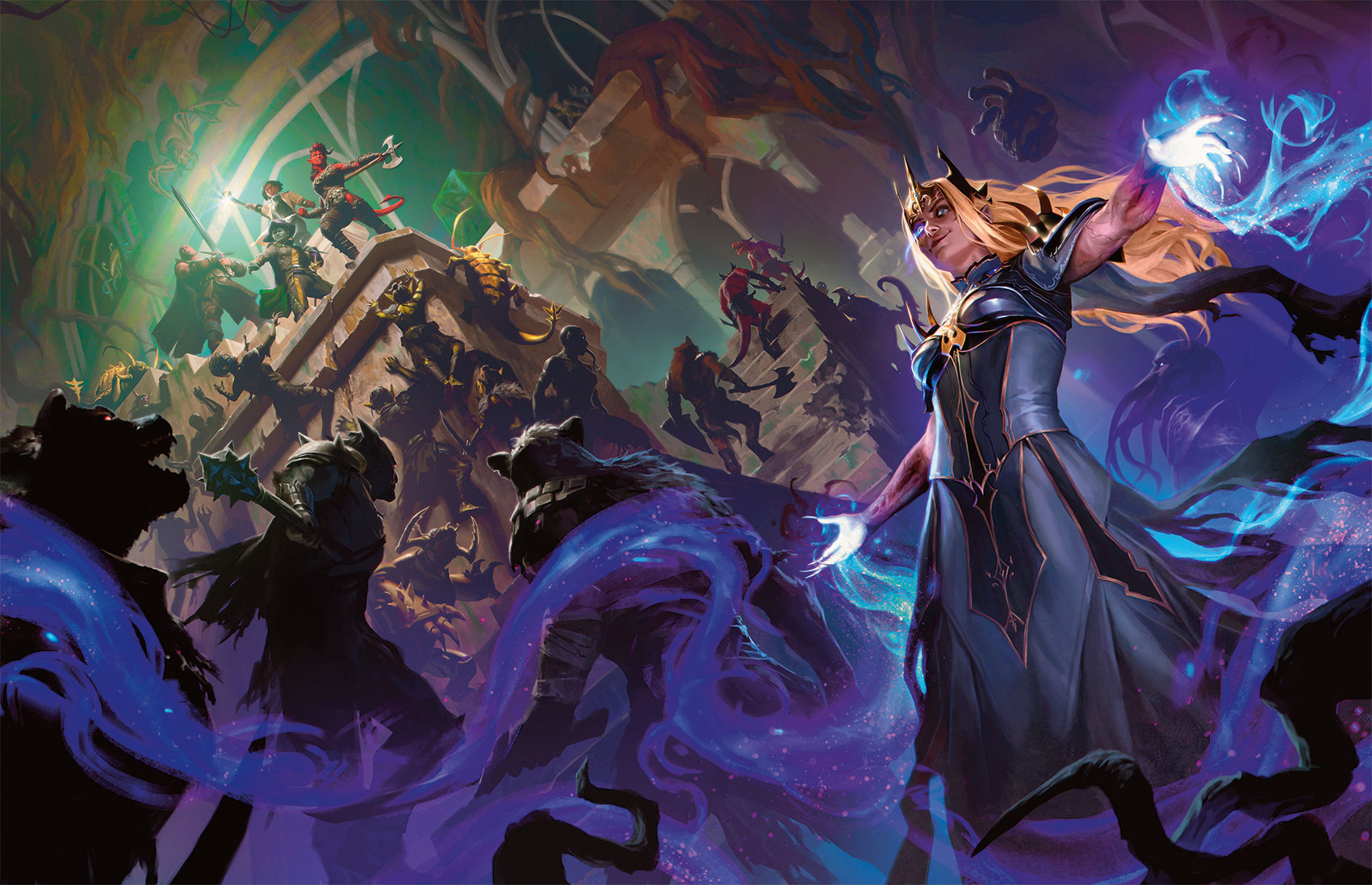
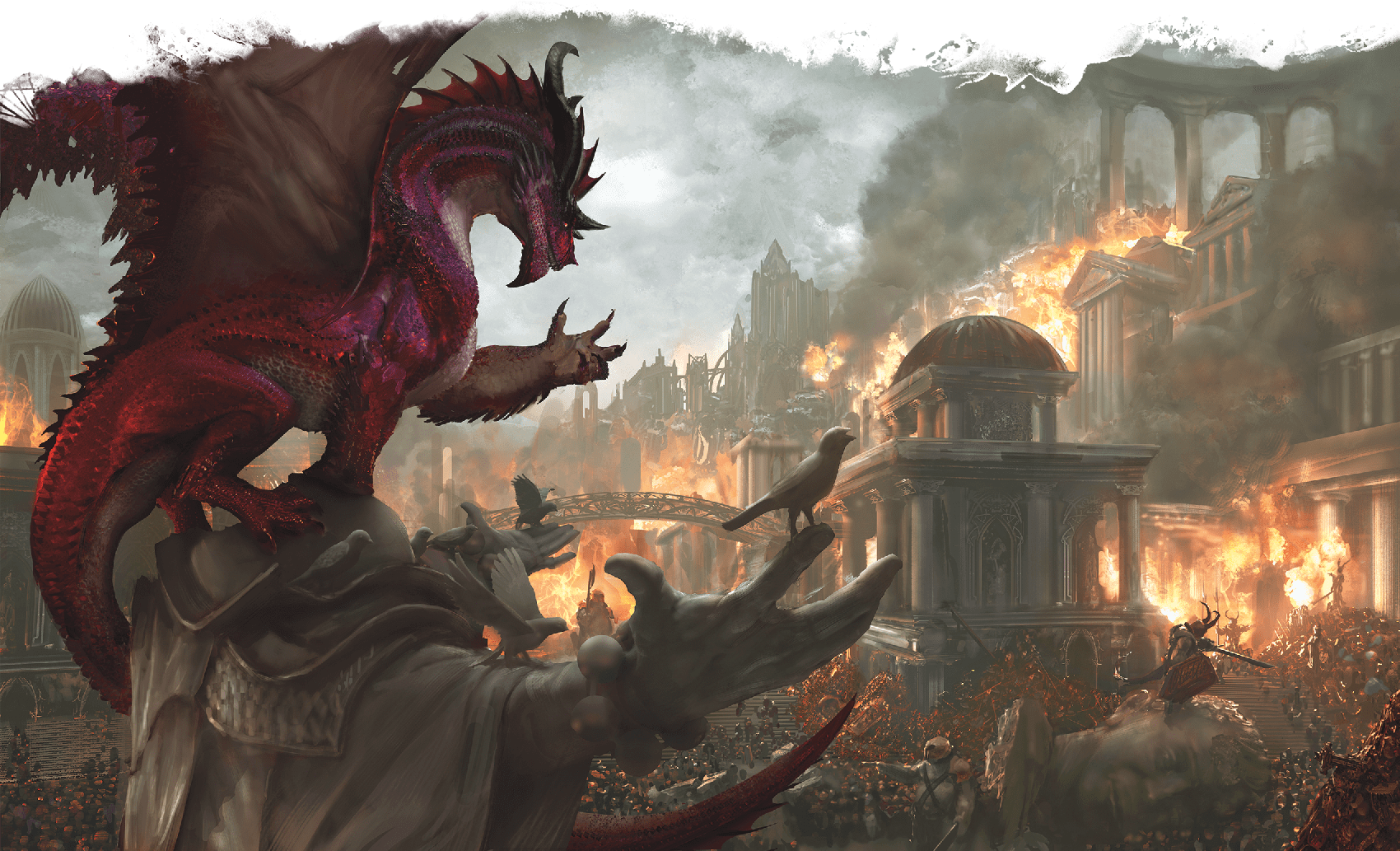
That said, the maps are gorgeous, the art evokes the right kind of nostalgia, and the layout strikes a balance between accessibility and atmosphere. This feels like a modern Forgotten Realms Campaign Setting, even if the world within it sometimes peeks through fog instead of clarity.
At the Table
Here’s where Adventures in Faerûn shines: inspiration.
If you view it as a full, ready-to-run world, you’ll be disappointed. But if you treat it like a spark box, a compendium of starting points, it’s one of the most energizing DM tools Wizards has produced in years. Each region drips with campaign ideas. Each map teases forgotten ruins and buried plots. Each hook can be lifted, twisted, and reshaped for your table’s tone and timeline.
That incompleteness, ironically, is the Realms’ greatest strength. No book can contain it all, nor should it. Faerûn has always lived and breathed in the spaces between what’s written.
Final Thoughts
Forgotten Realms: Adventures in Faerûn is a triumph of scope and a stumble of structure, a sprawling, ambitious return to the heart of D&D that occasionally forgets its audience doesn’t need to be led by the hand.
Yet for all its unevenness, this is the Realms at its most alive in Fifth Edition. For DMs who love lore, crave new maps, or want to weave their own sagas through the ruins of Myth Drannor and the streets of Baldur’s Gate, there’s no better starting point.
Think of it not as a finished world, but as an open invitation, one more tankard raised to Faerûn’s endless tales.