Stranger Things Starter Set Review
A DM’s First Impressions of Wizards’ Latest Starter Set
Rolling Initiative in the Upside Down
There’s something undeniably charming about opening a new Dungeons & Dragons box set — that mix of potential and nostalgia that whispers, “This could be the start of something.”
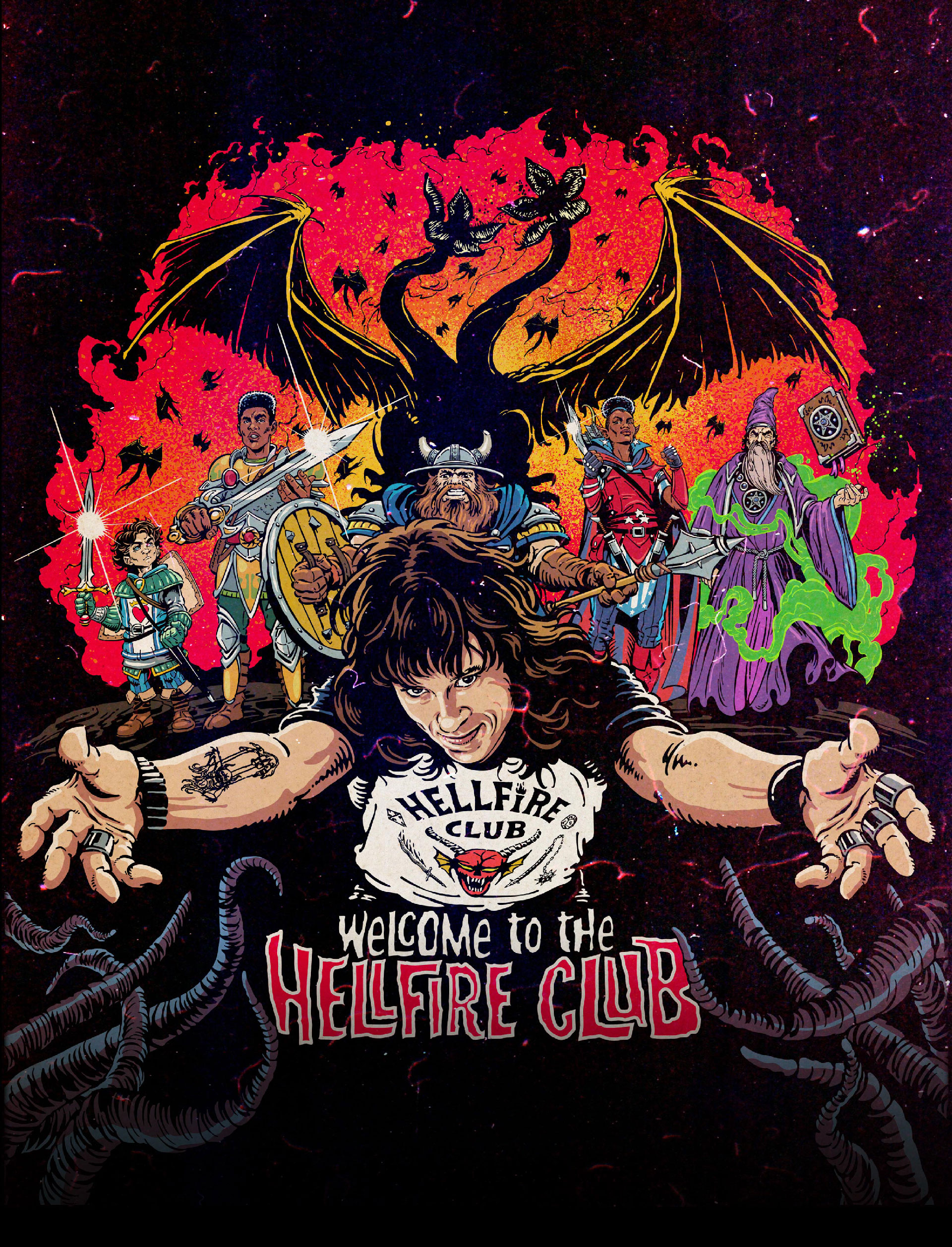
With Stranger Things: Welcome to the Hellfire Club, Wizards of the Coast is clearly betting on that feeling. The set is designed to ride the wave of excitement surrounding the show’s final season, and it knows exactly what it’s doing. This isn’t just another starter kit. It’s a love letter to the Dungeon Master’s screen, Eddie Munson’s notebooks, and the wild imagination that first pulled so many of us behind the dice.
From a purely tactile perspective, the box nails its first impression. The contents spill out like treasure from a chest: four adventure booklets, a DM screen, maps, cards, tokens, dice, and retro character sheets that look pulled straight from a trapper keeper circa 1986. Every piece feels intentionally worn-in, as though Eddie himself scribbled margin notes between campaigns. The aesthetic is vintage D&D by way of Hawkins High — a confident homage to the era that made many of us lifelong players.
The Eddie Effect
The conceit here is simple but clever: you’re continuing Eddie Munson’s final campaign, found among his scattered notes after the events of Stranger Things Season 4. It’s an emotionally charged hook — especially for anyone who still hums “Master of Puppets” during combat prep.
Eddie’s voice runs throughout the set like a DM’s ghost in the machine. His side notes, taped photos, and margin scribbles offer encouragement and humor in equal measure. “Change something every time you run it,” he urges, “so your players never think they’ve cracked the code.” It’s advice that rings true for any table, new or veteran.
In a hobby that can sometimes overexplain itself, those touches of humanity — the handwriting of a fellow DM — remind us that storytelling is personal. It’s a smart move by Wizards, and it helps transform a tie-in into something that feels like it has a pulse.
Four Adventures, One Campaign
Inside Welcome to the Hellfire Club are four adventures: The Vanishing Gnome, Scream of the Crop, Ballad of the Rat King, and Devil, Metal, Die! They’ll take a party from level 1 to 3 — about a month’s worth of play, depending on your pacing.
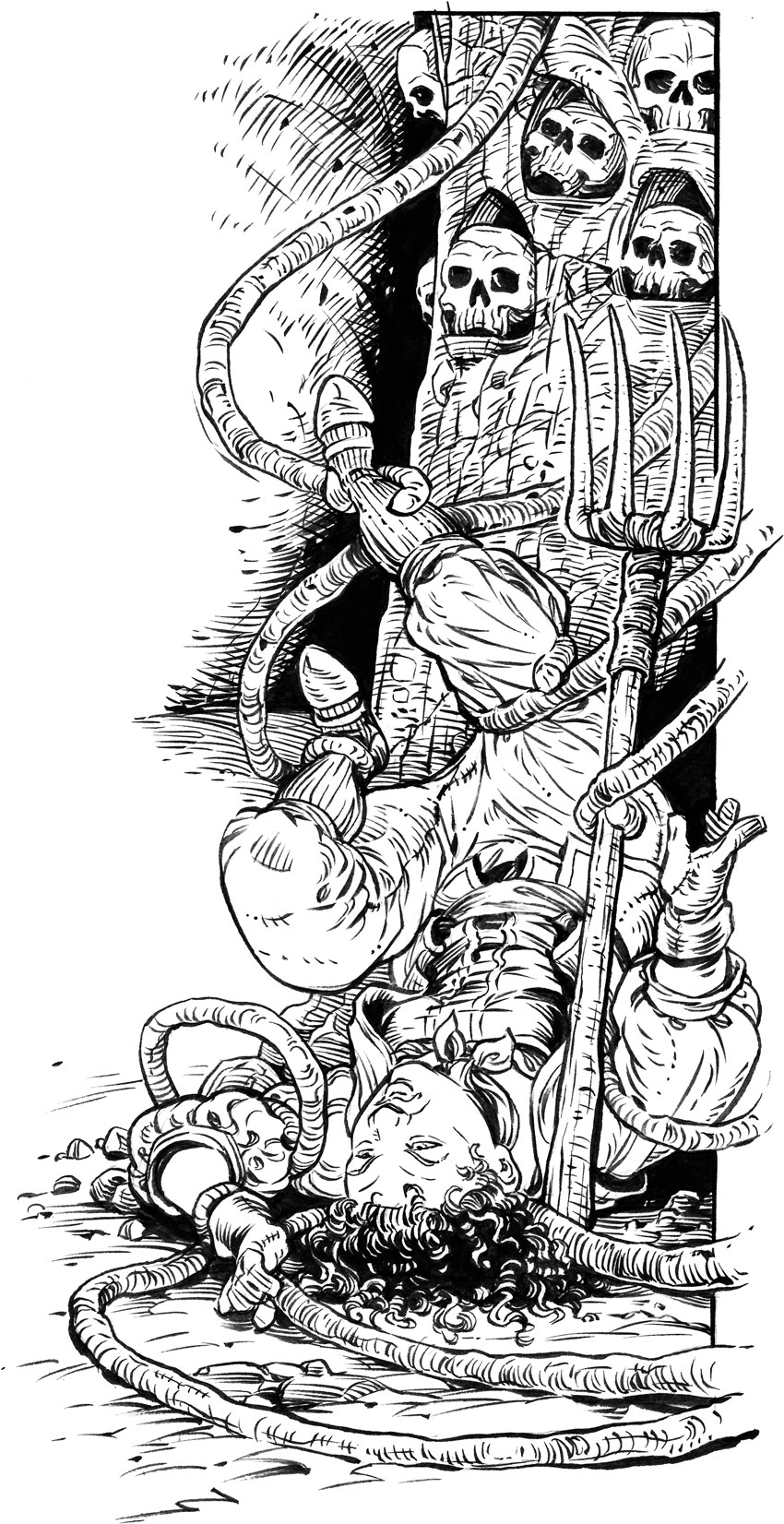
Each module plays out in the fictional town of Greyhawkins, a not-so-subtle fusion of Greyhawk and Hawkins, Indiana. The adventures are short but surprisingly dense with flavor. You’ll find eerie tunnels, dockside murders, cultist ambushes, and an undercurrent of supernatural weirdness that leans more toward pulp adventure than horror. The design is brisk and beginner-friendly, though veterans might breeze through the encounters.
As a Dungeon Master, I found myself impressed by the structure. Each booklet flows cleanly, with enough narrative prompts to let a novice DM find their rhythm. There’s an admirable emphasis on improvisation — the kind Eddie champions in his side notes. Still, the brevity means you’ll run out of content after a handful of sessions. This isn’t a campaign you live in; it’s a postcard from one you might have loved.
Retro Done Right
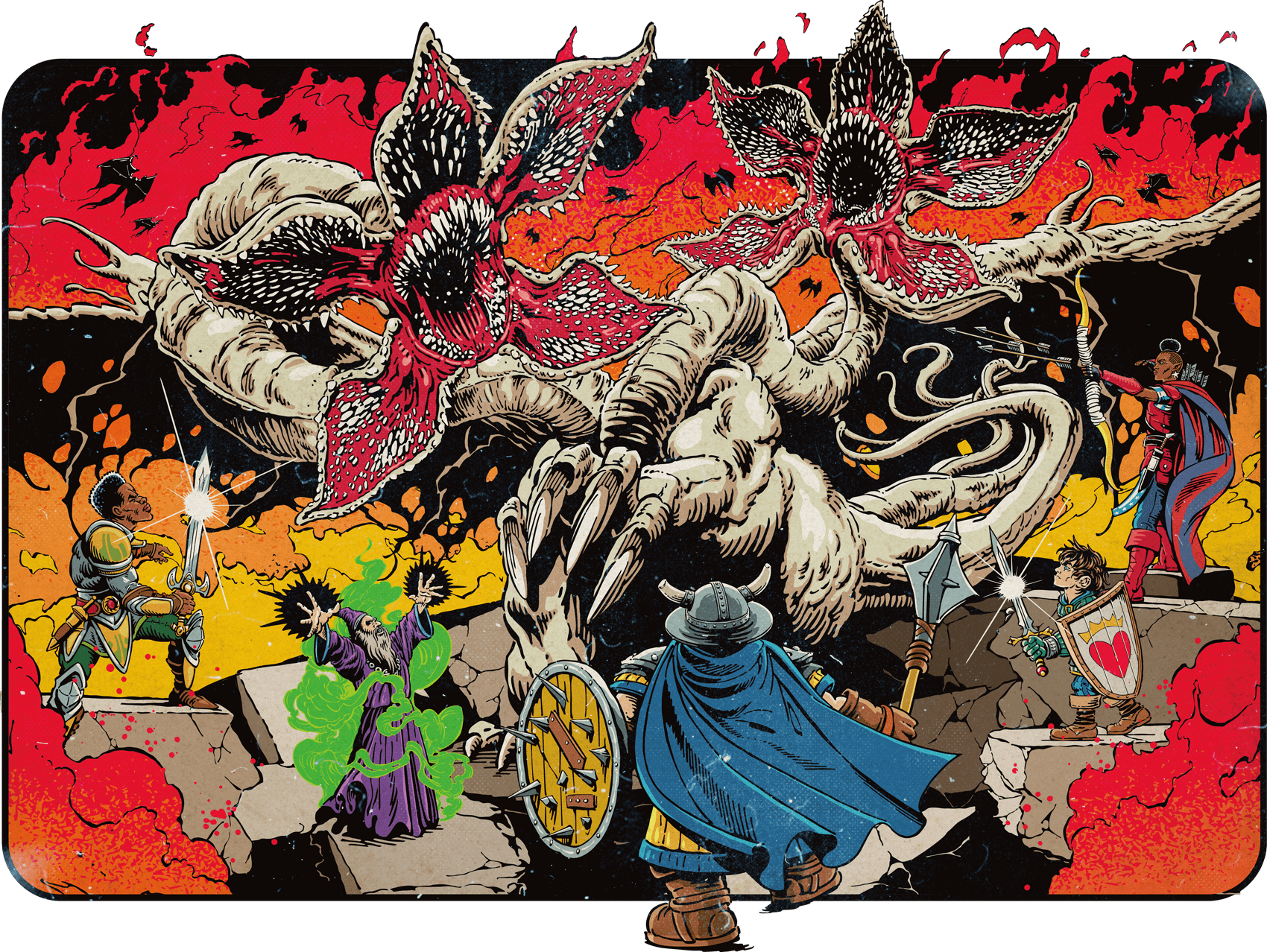
Wizards of the Coast leaned hard into the 80s aesthetic here — and to their credit, it works. The black-and-white tokens, yellowed character sheets, and faux-aged adventure covers capture the OSR look without feeling cheap. There’s texture and authenticity in the design.
The DM screen deserves special mention. Eddie’s iconic “arms-out” pose dominates the art, with Hellfire Club symbology swirling around him like a spell gone right. Flip it around and you’ll find a clean, updated reference layout compatible with the 2024 ruleset — proof that nostalgia doesn’t have to mean obsolescence.
If you grew up with polyhedral dice rattling in a Crown Royal bag, you’ll feel at home here. If you didn’t, this box will show you why so many of us keep chasing that sound.
The Limits of Nostalgia
For all its craft and heart, Welcome to the Hellfire Club is still a starter set at its core. Once you’ve played through the four adventures, you’re left standing in Greyhawkins with nowhere else to go. There’s no direct bridge into larger D&D campaigns, no scaling material, and no clear mechanical incentive to keep exploring beyond level 3.
That’s fine — it’s doing exactly what it promises. But as a Dungeon Master, I can’t help but wish Wizards had taken a page from Eddie’s own advice: change something every time you run it. A few optional continuations or a “beyond the box” appendix could’ve made this a product with real legs. Instead, it feels like a beautiful EP rather than a full album — all killer, no filler, but over too soon.
That said, the value is solid. For around fifty dollars, you’re getting adventures, dice, maps, cards, handouts, and a DM screen — the sort of completeness I wish earlier starter kits had offered. It’s a generous box, even if its lifespan is brief.
Verdict
Welcome to the Hellfire Club succeeds on two fronts: it captures the electric joy of 1980s tabletop gaming and it gives new DMs a playground rich with atmosphere. It’s equal parts time capsule and teaching tool, and for fans of Stranger Things or curious first-timers, it’s an inviting way to roll initiative for the first time.
Veteran Dungeon Masters, though, will likely find themselves yearning for more. Once the nostalgia fades, there’s no real depth to explore. But that’s all right — sometimes it’s enough to light the torches, rattle the dice, and remember what made us fall in love with the game in the first place.
DM Takeaway
If I were to run Welcome to the Hellfire Club at my own table, I’d treat it as an anthology — four short episodes strung together by theme and tone rather than strict continuity. I’d use it as a teaching tool for new players or as a nostalgic intermission between heavier campaigns. There’s magic in its simplicity: it reminds us that a good adventure doesn’t have to be long, just loud, weird, and fun. Eddie would approve.